
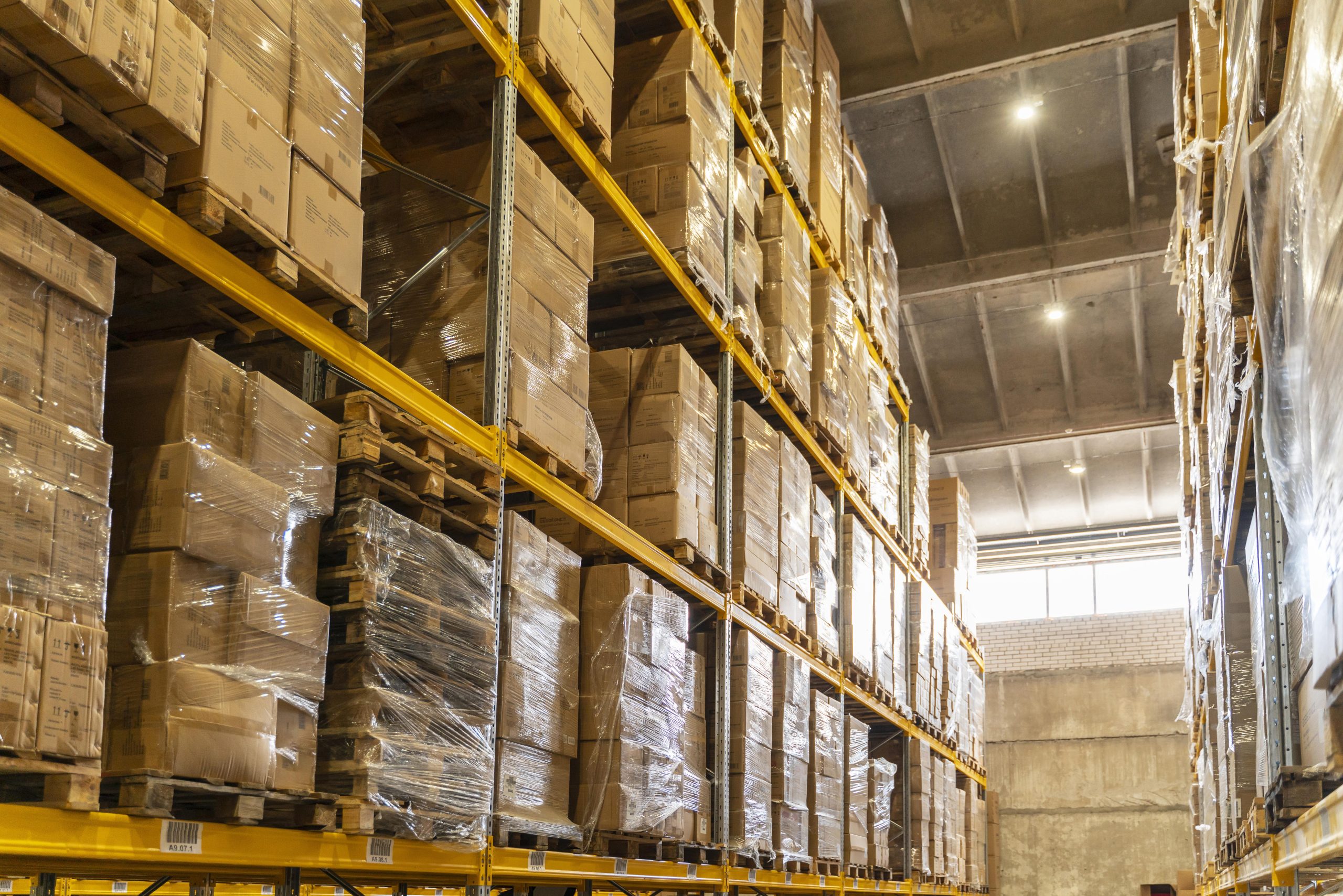
Pallet racking systems are essential for efficient warehouse operations, providing storage solutions for goods and materials. However, ensuring the safety and structural integrity of these systems is paramount to prevent accidents and maintain productivity. One of the key ways to achieve this is through regular inspections.
Importance of Inspections
1. Safety Compliance: Regular inspections help warehouse operators comply with Health and Safety regulations. By identifying and addressing potential issues early, inspections reduce the risk of accidents and injuries. Pallet racking is classed as work equipment and therefore comes under the Provision and Use of Work Equipment Regulations 1998 (PUWER).
2. Preventative Maintenance: Inspections are not just about identifying existing problems; they also help prevent future issues. Detecting signs of wear, damage, or overloading early allows for timely repairs and replacements, thereby extending the life of the racking system.
3. Optimising Operations: Well-maintained racking systems contribute to efficient warehouse operations. By ensuring that racks are structurally sound and properly configured, inspections help maximize storage capacity and streamline inventory management.
Key Components of Pallet Racking Inspections
1. Initial Inspection: New racking systems should undergo a thorough inspection upon installation to confirm compliance with PUWER and manufacturer specifications.
2. Regular Scheduled Inspections: Routine inspections should be conducted periodically (typically annually) by competent trained personnel. These inspections involve a detailed assessment of the racking system’s components, including frames, beams, braces, and fixings.
3. Damage Assessment: Inspectors look for signs of damage such as dents, bends, and corrosion. They assess the impact of any damage on the structural integrity and load-bearing capacity of the racking.
4. Load Capacity Checks: Ensuring that racks are not overloaded is crucial for safety. Inspectors verify load capacities against original design specifications.
5. Documentation and Reporting: Inspection findings are documented and detail any issues identified and recommended actions. This documentation serves as a record of compliance and aids in tracking maintenance history.
Compliance and Best Practices
Warehouse operators should prioritise compliance with HSE guidelines for pallet racking inspections. This involves:
• Training: Ensuring that personnel conducting inspections are adequately trained.
• Regular Maintenance: Implementing a maintenance schedule based on inspection findings to address identified issues promptly.
• Emergency Response: Having protocols in place for responding to critical issues, such as damaged or collapsed racks, to minimise downtime and ensure worker safety.
Conclusion
In conclusion, pallet racking inspections are a critical component of warehouse safety and operational efficiency. By conducting regular inspections, warehouse operators can mitigate risks, prolong the lifespan of their racking systems, and maintain a safe working environment for employees. Prioritising safety through inspections is not just a regulatory requirement; it’s a fundamental practice that supports the success and sustainability of warehouse operations.
If you would like more information on the racking services Complete Material Handling offer, please contact us.
Image by Freepik